Aparshakti Khurana’s ‘Instant Yes’: Why Playing an Older Lawyer in ‘Jab Khuli Kitaab’ Resonates Across Generations
Aparshakti Khurana reveals why his background and the script drew him to portray an older-generation lawyer in 'Jab Khuli Kitaab', and what that means for inter-generational connection, especially in diaspora households.
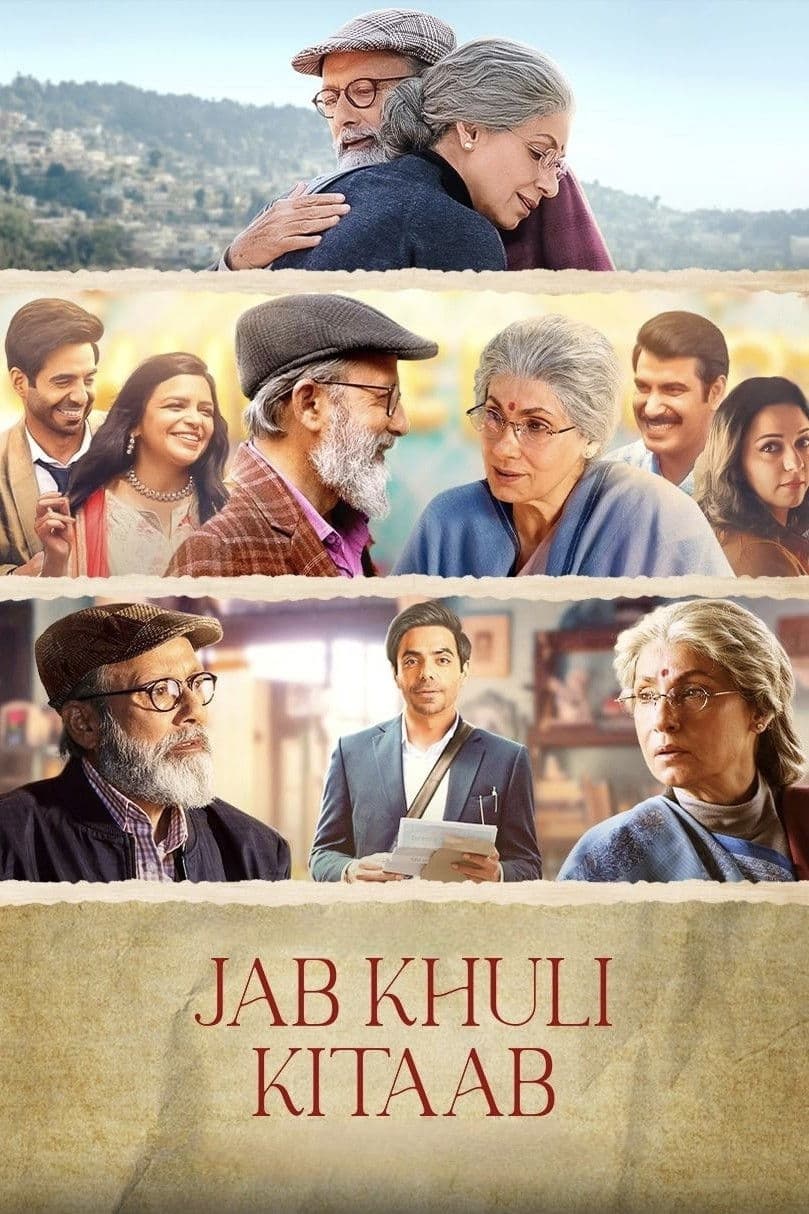
Jab Khuli Kitaab — via TMDB
Aparshakti Khurana said “instant yes” to an older-generation lawyer in Jab Khuli Kitaab, crediting personal resonance, strong writing, and the film’s clear-eyed treatment of older characters. As a law graduate, Khurana found the part accessible and believable right away. He believes inter-generational stories like this one speak to families, including those in the global diaspora, by letting everyone on the couch see something of their own lives reflected onscreen.
Why Aparshakti Khurana took on the role of a lawyer
Khurana chose this role first for a simple reason: the law. He confirmed in interviews that his law degree made the character's world familiar, requiring no pretense with legal jargon or invented mannerisms. Lived experience brought an “instant yes” when he read the script, strengthened by writing that gave the role weight and emotion.
He singled out the script’s approach. Rather than another supporting-lawyer role common in family dramas, this lawyer stands in the middle of generational conflict and reconciliation. Khurana has rarely encountered scripts that give older characters such agency and nuance, especially through a legal and emotional mediator.
Humour and candour: The story’s hook
The project resonated further with Khurana because of its balance between humour and emotional honesty. He described being attracted to Jab Khuli Kitaab for the way the film mixes laughter and genuine feeling, making an “older-generation” narrative both relatable and unexpected. The elders’ dilemmas, memories, and hopes are placed at the centre of the story, handled with both wit and care. For Khurana, this gives the film its lift, allowing moments of levity even as it tackles serious questions of identity and belonging across generations.
Writing that allows older or mature characters to experience an emotional arc remains rare in Hindi cinema. Khurana has expressed admiration for scripts that do. In Jab Khuli Kitaab, the older generation is not a hurdle for the young, but the very place the story grows and heals from. For audiences tired of grandparents or parents as clichés, this change feels overdue.
Why these stories matter for diaspora families
Khurana did not mention diaspora communities by name, but his focus on family viewing and shared emotional journeys has clear relevance for international audiences. South Asian households in the US, UK, Canada, and Australia often choose films that work for grandparents, parents, and children together. The need for stories where everyone finds a point of connection, balancing tradition, memory, and adaptation to new places, remains strong.
As Khurana put it, Jab Khuli Kitaab is “precisely the kind of story Indian families, including diaspora households, should watch together”. For these families, inter-generational films are not just nostalgia or cultural preservation. They help people witness, and sometimes negotiate, shifting roles, changing expectations, and growing openness between generations living under the same roof but in different worlds.
This approach matters for global audiences, where balancing heritage and adaptation is daily life. When older characters get emotional agency, families may recognise their own struggles onscreen. The immigrant experience is often marked by generational push-pull: elders longing for tradition, younger members building new identities, both side by side. Films like Jab Khuli Kitaab offer a script for these negotiations, showing that respect, humour, and honesty can bridge even the widest generational gaps.
Legal realism, real emotion: A rare pairing in Bollywood
Khurana’s legal background adds credibility to his casting. Bollywood often fills professions with actors who have no practical connection to the role, relying on surface detail. Here, Khurana’s law degree becomes a living resource, making the lawyer’s scenes feel grounded. The legal conflicts in the film carry both credibility and personal feeling.
This supports the film’s wider push for emotional truth. In diaspora and Indian families, legal disputes, over inheritance, property, or responsibility, are often tightly bound to emotional rifts. By giving a genuine legal voice to a story about generational change, Jab Khuli Kitaab roots its drama in lived reality. For viewers who know the tension between family tradition and change, this offers something recognisable.
Stories that bring everyone in
Khurana’s role, and the film itself, are about drawing everyone into the conversation. For the Indian diaspora, language, food, and film are among the few truly shared references across generations. Stories like Jab Khuli Kitaab become a chance to talk, laugh, and be moved together. When older characters have real agency and drive the plot, the result feels like family, whether you’re in Mumbai, Mississauga, or Manchester.
Viewers and streaming subscribers in international markets are searching for all-ages connection. Bollywood has responded with some recent releases, but few films have combined personal expertise, thoughtful writing, and an inter-generational perspective as tightly as Jab Khuli Kitaab. Khurana’s “instant yes” is both a performer’s endorsement and a sign of what families hoping to connect across generations, at home or abroad, want in their next movie. For more on how Hindi cinema is expanding its reach among global families, see our Features and OTT & Streaming sections.
Spotted an error? We publish corrections openly — email editor@thebollywoodwave.com and read our corrections policy.