From Anupamaa to Bollywood: Princy Prajapati’s Leap Sets a New Template for Child Actors
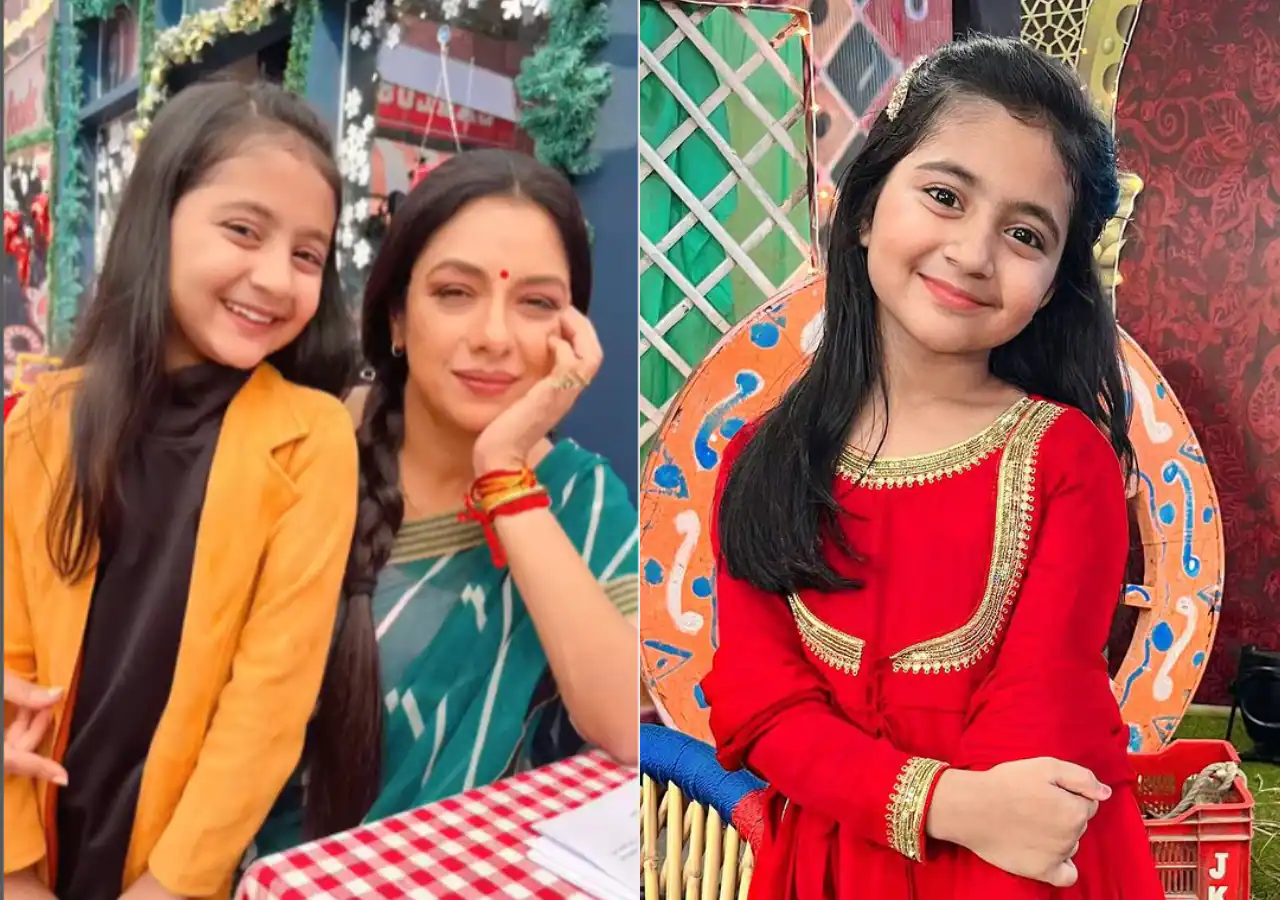
Princy Prajapati, once best known as Pari Shah from television’s Anupamaa, is making her Bollywood debut in Prahaar: The Ujjwal Nikam Story. Her transition from TV soaps, regional cinema and serials to a major Hindi film speaks to a shift in how Indian child actors carve their paths, by merit and craft, not just connections, and mirrors larger global trends in nurturing young screen talent.
Princy Prajapati, known for playing Pari Shah in Anupamaa, is now entering Bollywood with the biographical film Prahaar: The Ujjwal Nikam Story. Her move goes beyond adding a new credit. It highlights how opportunities are changing for young talent in Indian cinema, echoing patterns seen by child actors around the world.
Which roles has Princy Prajapati played, and what is her new project?
Princy Prajapati became a familiar face to Indian television audiences as Pari (Aarya) in Anupamaa in 2024, just ahead of the show's generation leap. She held the lead in the Gujarati film Misri and acted in Main Hoon Aparajita with Shweta Tiwari and Manav Gohil. Her work spanned regional films and prime time television before her first major Hindi film.
Prahaar: The Ujjwal Nikam Story marks her feature film debut. This biographical courtroom drama follows special public prosecutor Ujjwal Nikam’s role after the 2008 Mumbai attacks, known as the 26/11 trial, with Rajkummar Rao portraying Nikam.
How has Princy described the difference between TV and film acting?
When discussing the transition, Princy Prajapati compared the very different rhythms of television and cinema. She explained that daily soap operas demand relentless discipline and build confidence through constant rehearsal and quick production cycles. On a film set, she had to concentrate on silence, nuance, and layered emotion, especially when the story is based on real events. Working with Rajkummar Rao was, in her words, a “masterclass”: she absorbed how to prepare, focus, and remain generous in performance, even as a lead. She pointed out that today's young actors now recognize television, regional cinema, and large-scale film as separate crafts.
Is the TV-to-film journey common for child actors in India?
Moving from child actor on TV to cinema lead is not new in India, but the path has changed over time. Many of the highest-profile crossovers come from “star kids”, children of Bollywood insiders debuting under major banners. Princy’s route is closer to that of child actors like Alia Bhatt, Shahid Kapoor, and Urmila Matondkar, who built their skills in television, ads, and regional films before joining mainstream cinema.
Similar patterns appear outside India. Hollywood names like Jodie Foster and Drew Barrymore moved from commercials or TV series into films, developing presence and professionalism early before landing breakout roles.
How does Princy’s recent career pattern reflect broader trends?
Princy Prajapati’s journey stands out for combining steady TV discipline, regional cinema experience, and now the precision of a Bollywood biopic. She credits her confidence and preparation to the routine of series work, but notes that portraying real people in cinema brings more responsibility. She talks about learning to rein in television-style performance and absorbing lessons from senior actors, a sign of a new generation of Indian actors who build careers through varied experience, not just through family connections or viral success.
For international readers, this type of crossover is familiar. Indian TV productions often have more episodes and faster schedules than most Western shows, so a young artist like Princy moves into film as a practiced performer. Her story also shows how regional and mainstream Hindi cinema can connect: a Gujarati-language lead, a TV soap role, then a Hindi biopic. The journey is shaped by merit, not by surname.
What does Princy’s path show about India’s approach to young talent?
Princy’s debut in Prahaar reflects a shift in how child artists are seen in India. The focus on a real-life legal case brings extra pressure and demands more emotional maturity from younger cast members. For those aiming for a similar path, her experience suggests that working across different formats and languages builds child actors who can handle television’s pace and film’s subtlety. The trend is toward developing a range of skills, not just chasing attention.
In an industry often criticized for favoring connections, performers like Princy Prajapati stand out for building a career through varied work and a focus on craft. As global audiences look more closely at how on-screen talent is developed, her story becomes part of the answer.
For more on crossover careers and industry craft, see our Features and News coverage.
Spotted an error? We publish corrections openly — email editor@thebollywoodwave.com and read our corrections policy.